
Case study · Railway
Watertight Battery Boxes for the Railway Sector
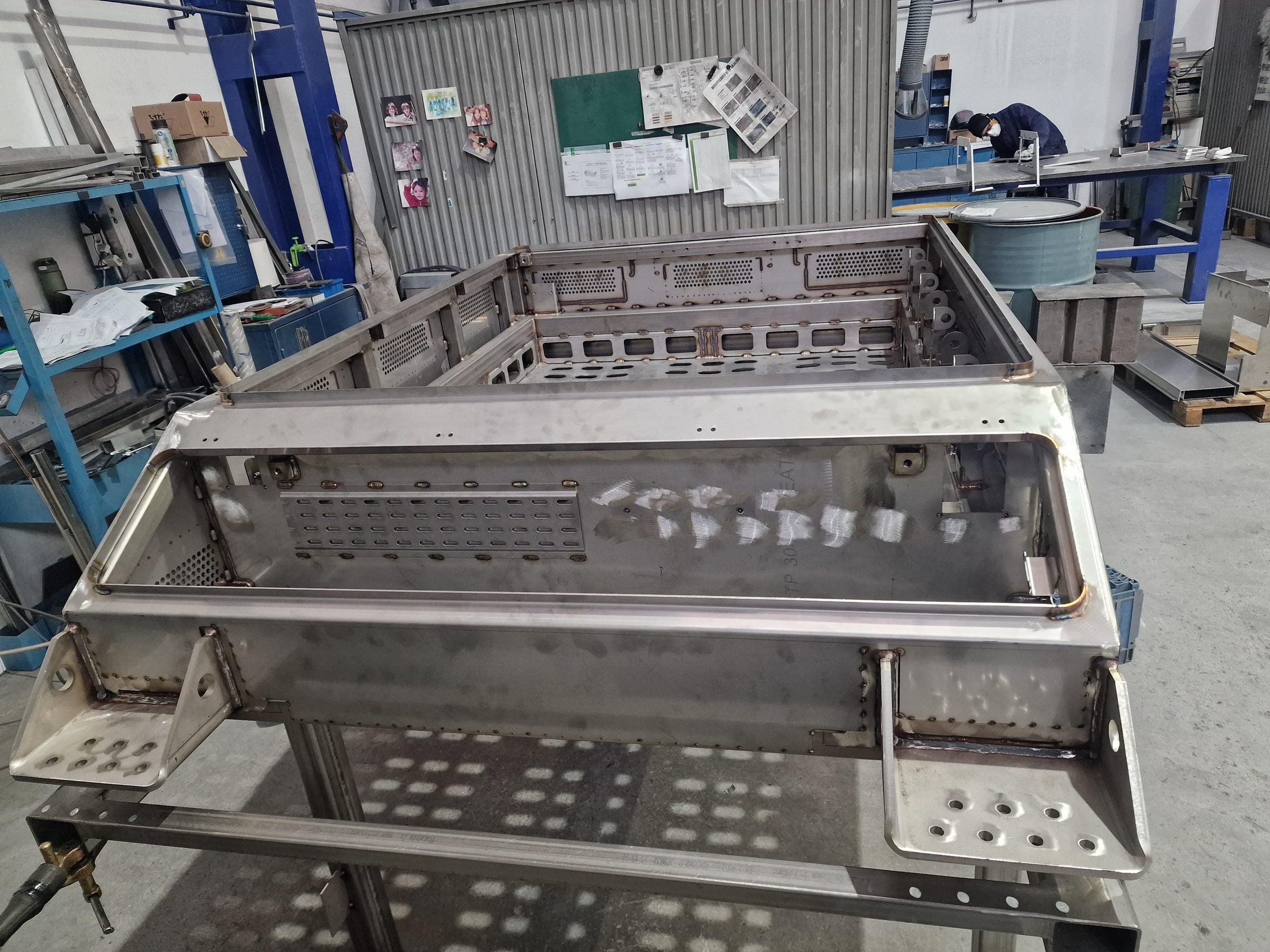
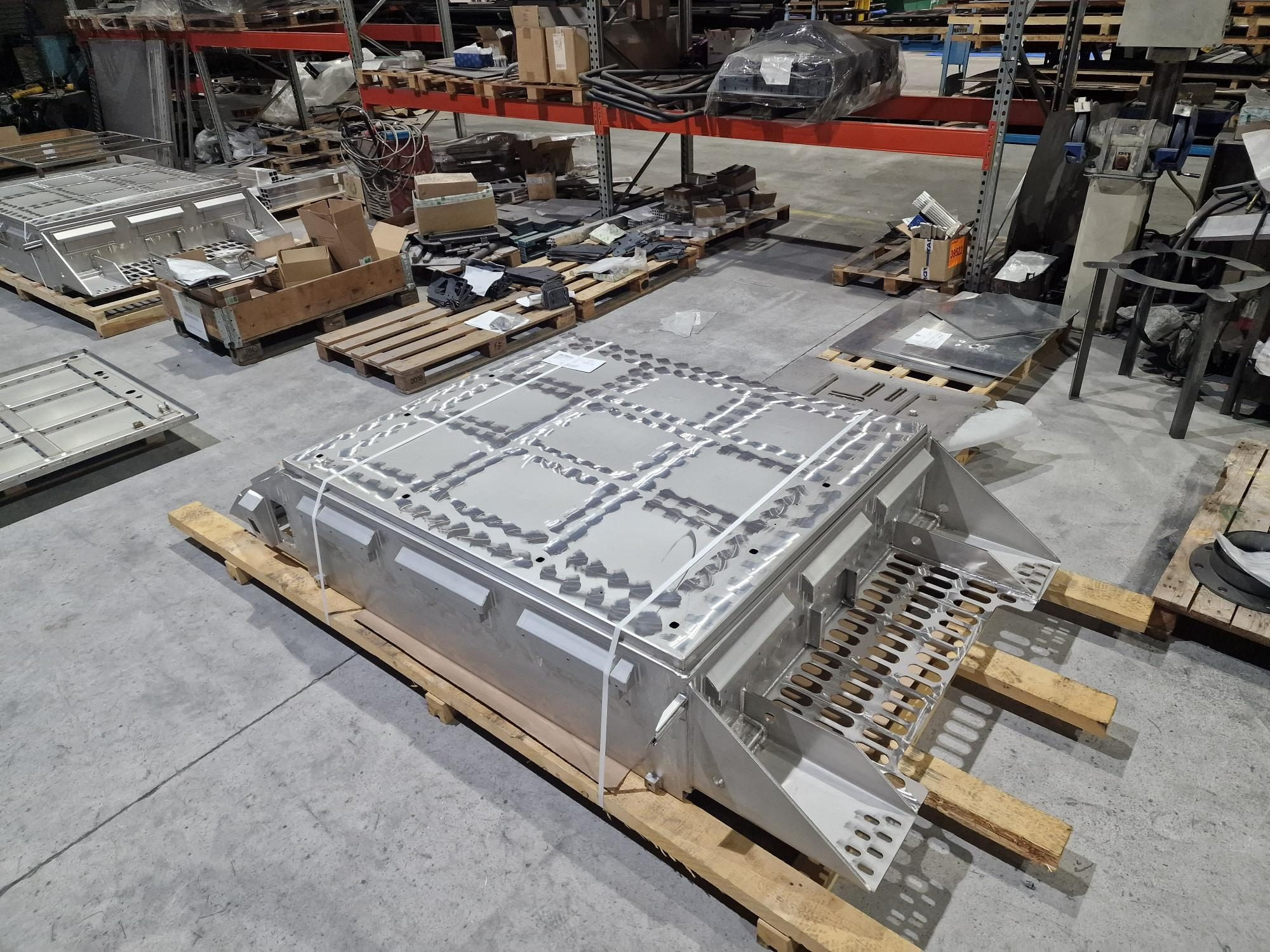
We manufactured a series of battery boxes to house the backup power systems that supply energy to the train if the connection to the overhead line is lost.
Project Data
The project required a combination of watertightness, component assembly and particularly strict flatness tolerances.
- Client
- CAF
- End user
- RATP
- Sector
- Rail
- Year
- 2026
- Market where it was implemented
- France
- What was manufactured
- Watertight battery boxes
- Weight
- 370 kg per unit
- Dimensions
- 2,500 × 1,500 × 500 mm
- Material
- AISI 304L stainless steel
- Services provided
- Boilermaking (laser cutting, tube laser cutting, bending and auxiliary operations), welding, machining, engineering, quality and assembly
- Certifications and standards
- EN 15085
- Project type
- Series production
The Customer's Need
Demanding Requirements
The customer’s need was to manufacture a battery box built to its drawings and specific requirements. During development, it was necessary to validate the feasibility of cutting and bending and to adjust the welding and assembly processes to meet the specified tolerances and manufacturing requirements.
The Challenge
Strict Tolerances
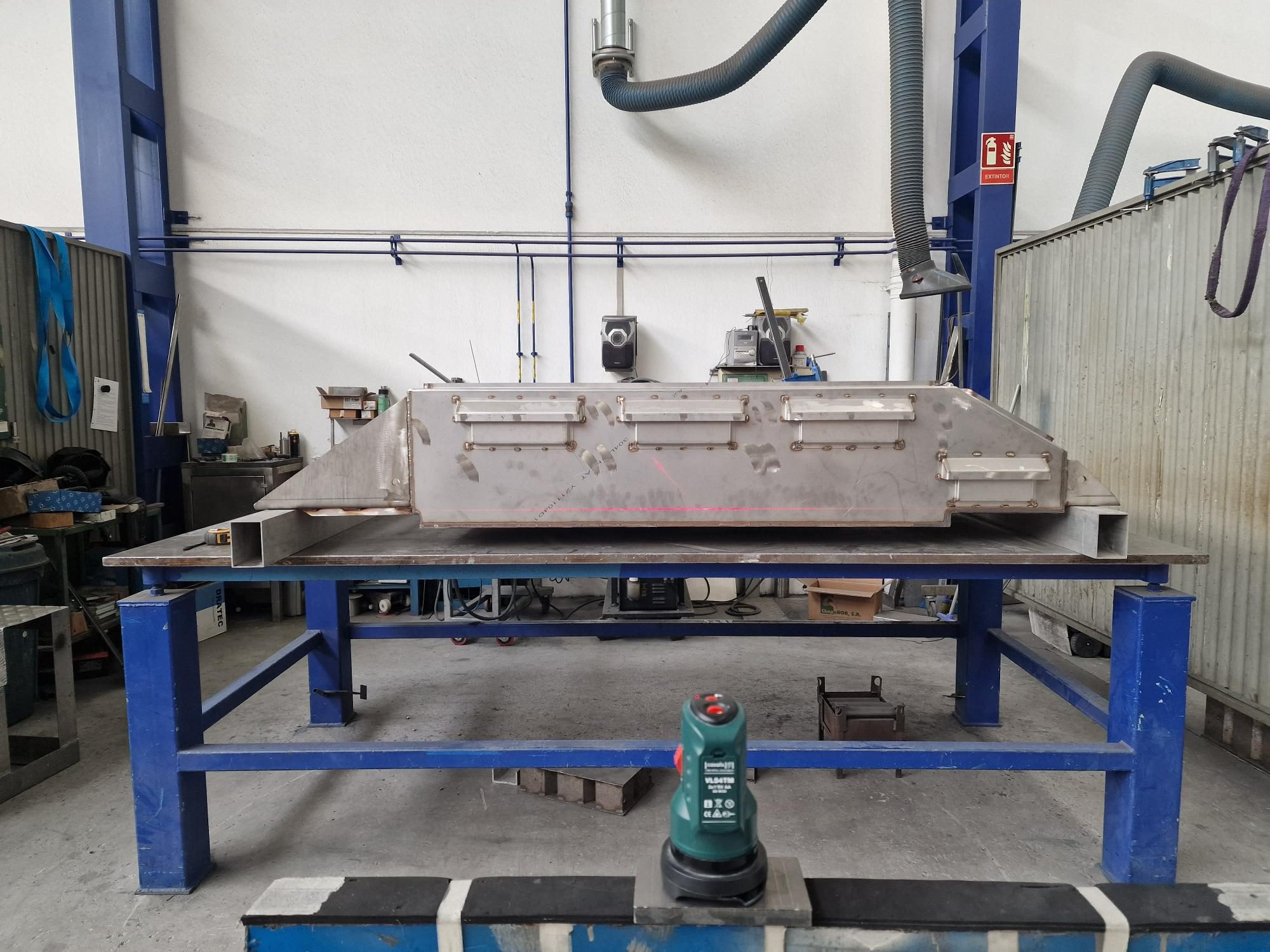
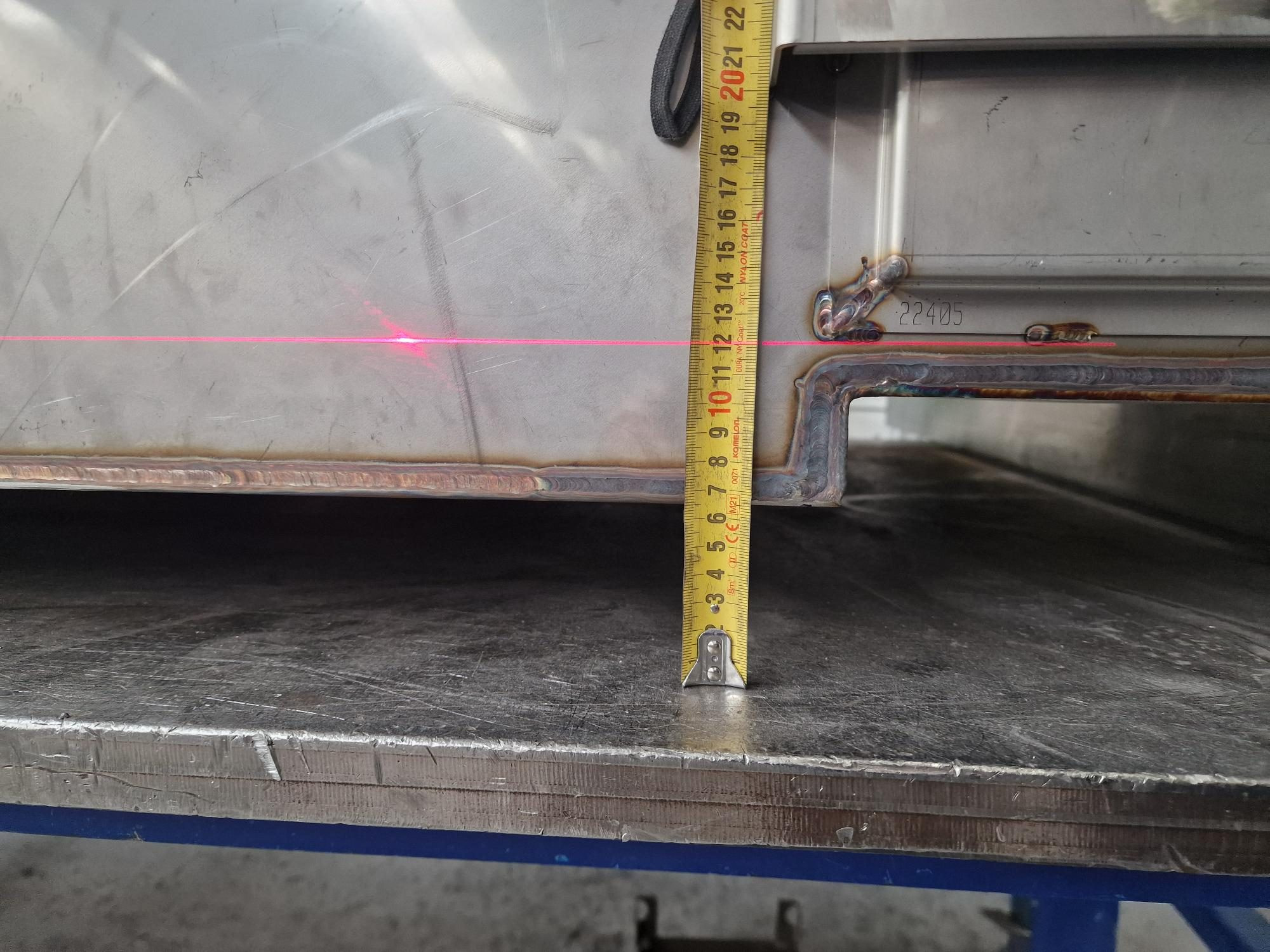
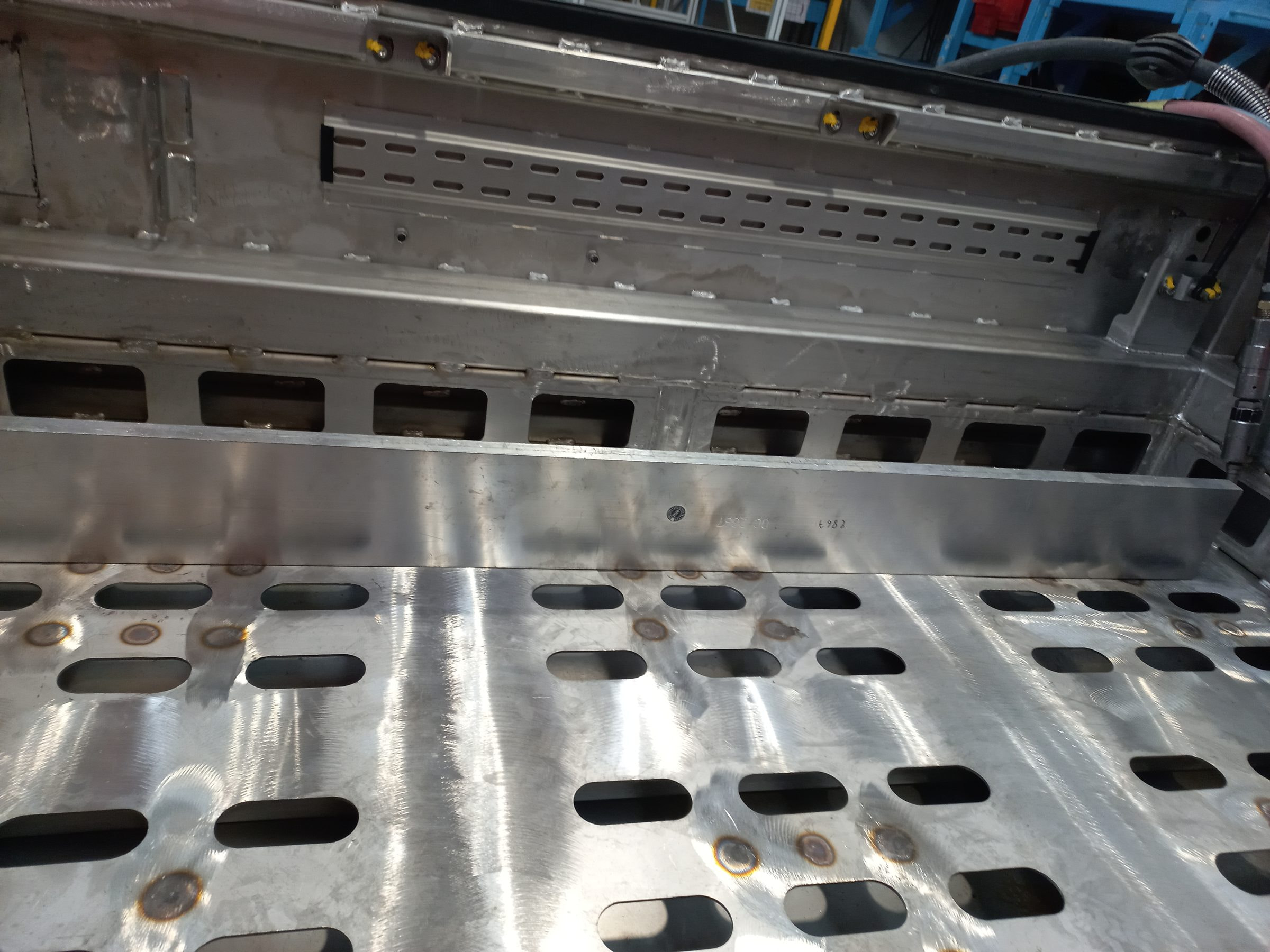
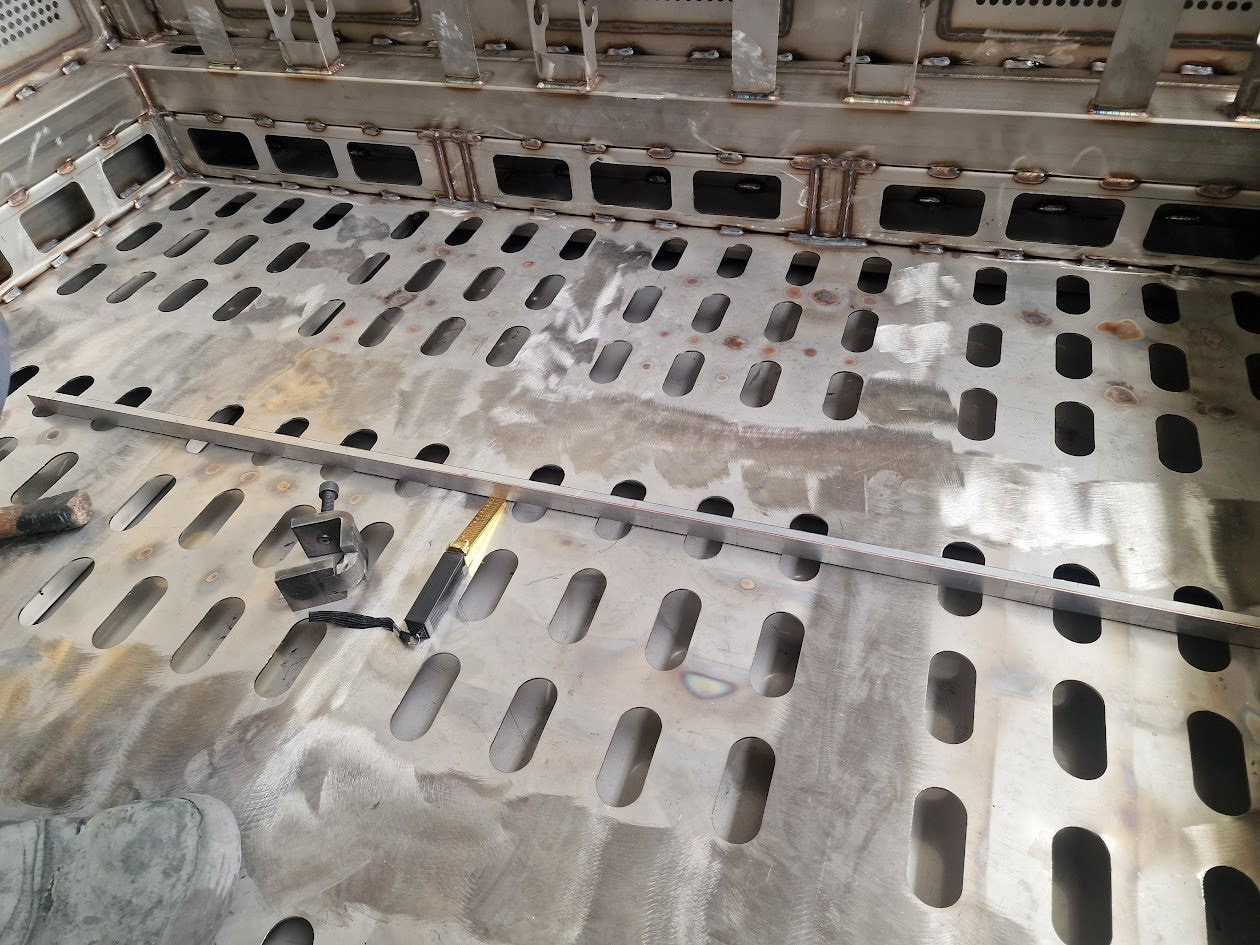
The main challenge we faced was achieving the demanding flatness tolerances defined in the drawings, especially on the interior surface of the box. The combination of numerous welded joints, thin stainless steel sheet and a very tight tolerance caused stresses and distortion during welding, so it was necessary to try different processes, fixtures and correction methods until a stable solution was achieved.
The Solution
Custom Clamping Fixtures
To meet the requirements, we developed a specific manufacturing procedure to control distortion during welding. To this end, robust clamping fixtures were designed to hold the base of the part in place throughout the process, together with a heating and cooling procedure intended to relieve stresses and correct the distortion generated in the steel.
The Work Carried Out
Two Years of Development and Manufacturing
The project ran for approximately two years, from contract award in 2024 to commissioning in 2026.
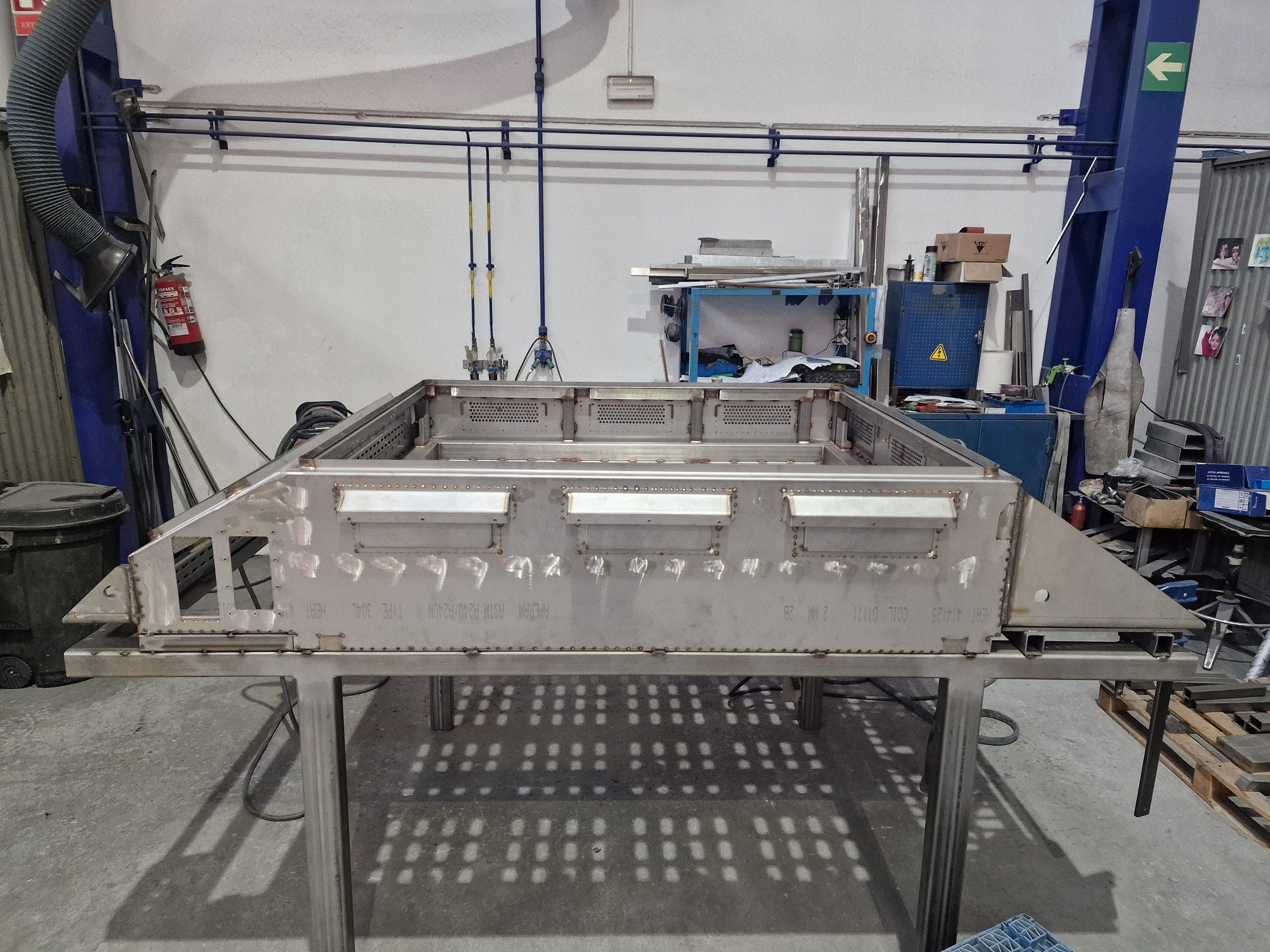
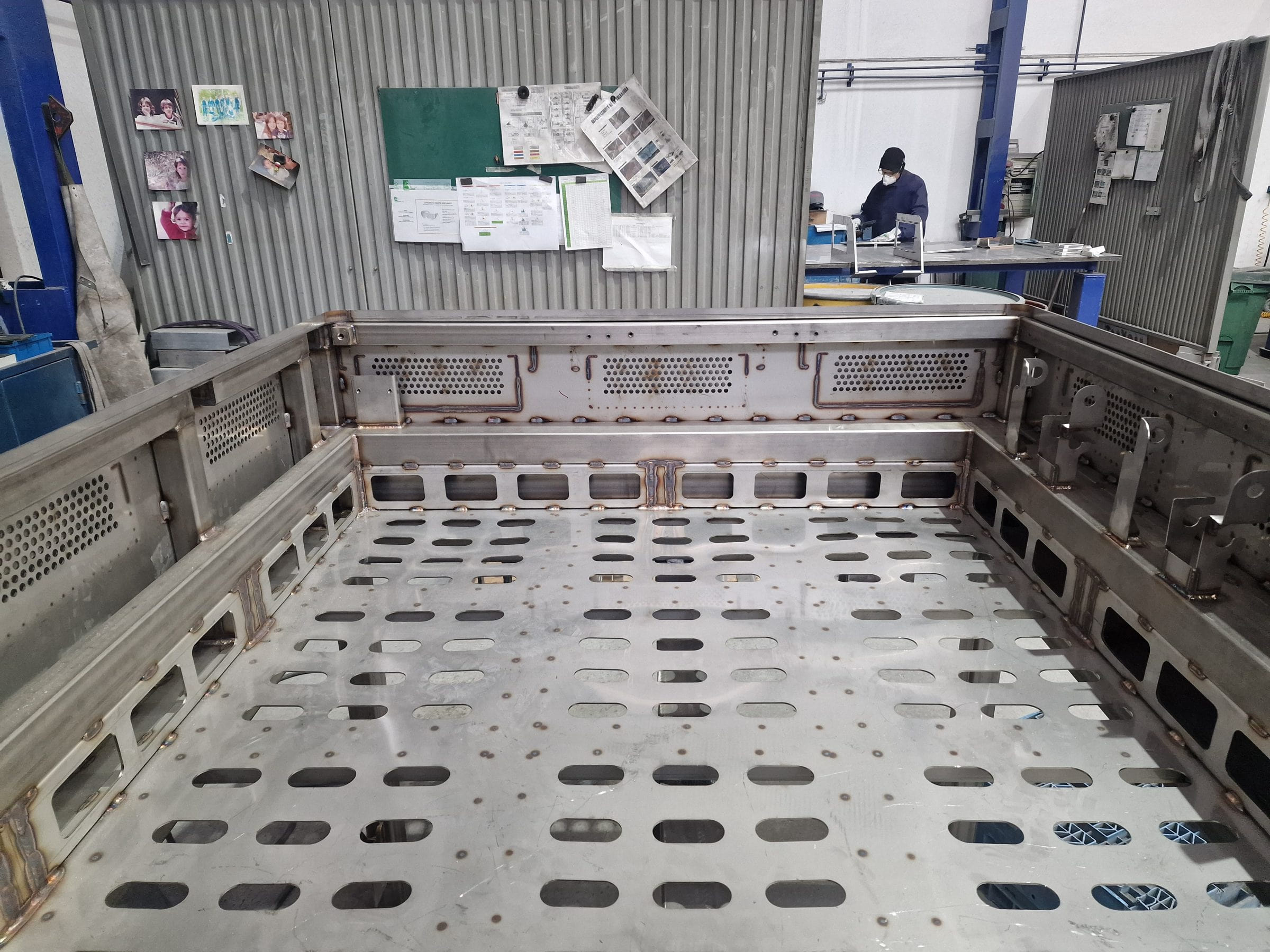
During the development phase, we first analysed the feasibility of the nesting layouts for cutting and the bending operations based on the drawings supplied by the customer. We then worked on the manufacturing difficulties identified in welding and assembly, making the necessary adjustments until the required tolerances were met. The production process included laser cutting and tube laser cutting, bending, auxiliary operations, welding, machining, quality controls and final assembly.
The Result
16 Battery Boxes Within the Required Flatness Tolerances
The final result was the successful manufacture of a series of 16 watertight battery boxes in AISI 304L stainless steel.
Thanks to the procedure developed by our team to control stresses and distortion during welding, 100% of the parts manufactured are within the required flatness tolerances, both on the outer supports and on the inner trays.
Key Metrics
Key project data.
370 kg
per unit
AISI 304L
stainless steel
16 units
delivered 100% within the flatness tolerances
Gallery
Here is the manufacturing process behind these watertight stainless steel battery boxes for the rail sector.

CONTACT