
Case study · Naval
Watertight Structural Closures for 5 F-110 Frigates of the Spanish Navy
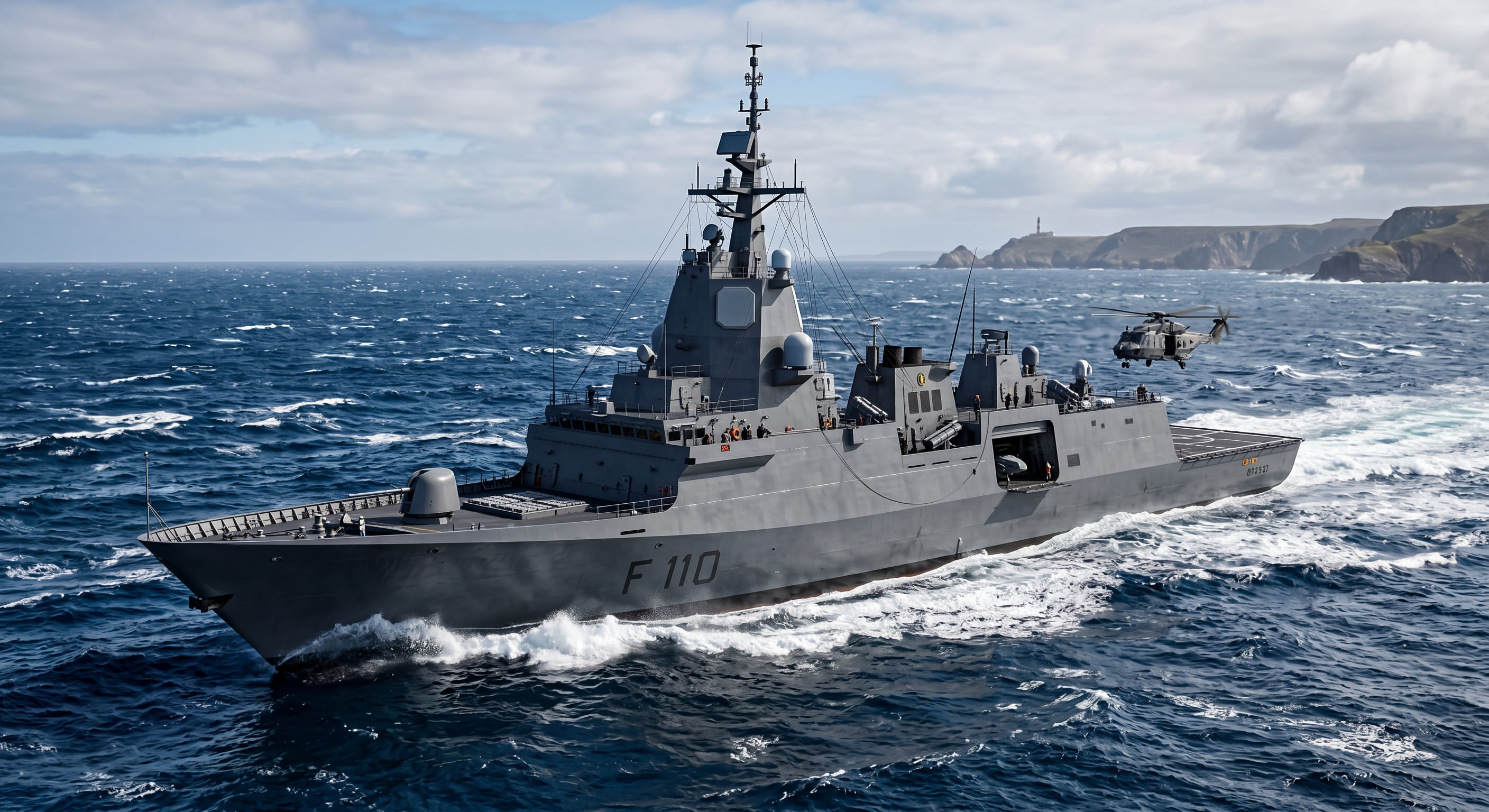
We designed and manufactured doors, hatches and other watertight structural closures for a series of five vessels.
Project Data
Structural closures built to military specifications, maintaining spare-parts commonality across different equipment.
- Client
- Navantia
- End user
- Spanish Navy
- Sector
- Naval
- Year
- 2023
- Market where it was implemented
- Spain
- What was manufactured
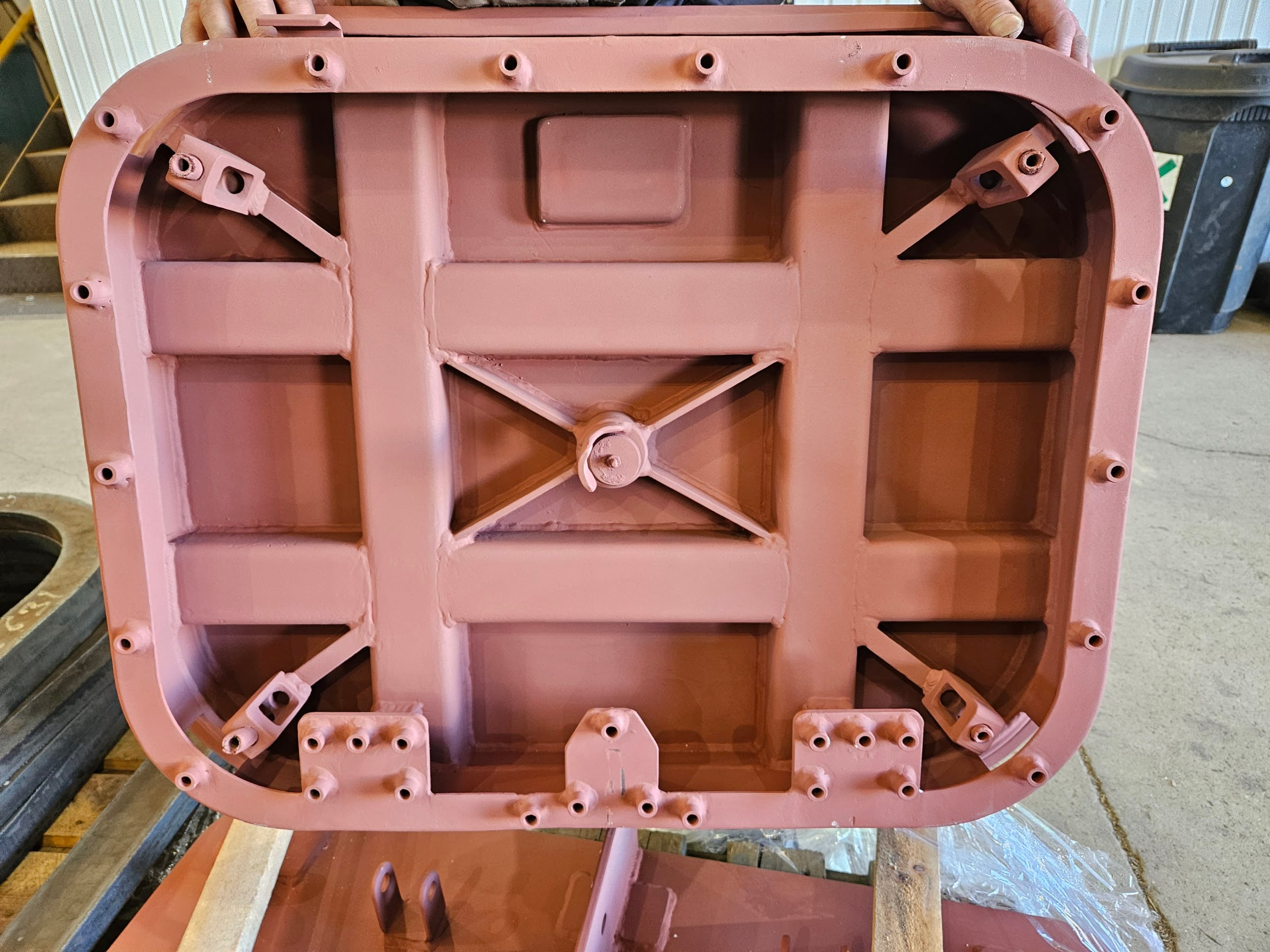
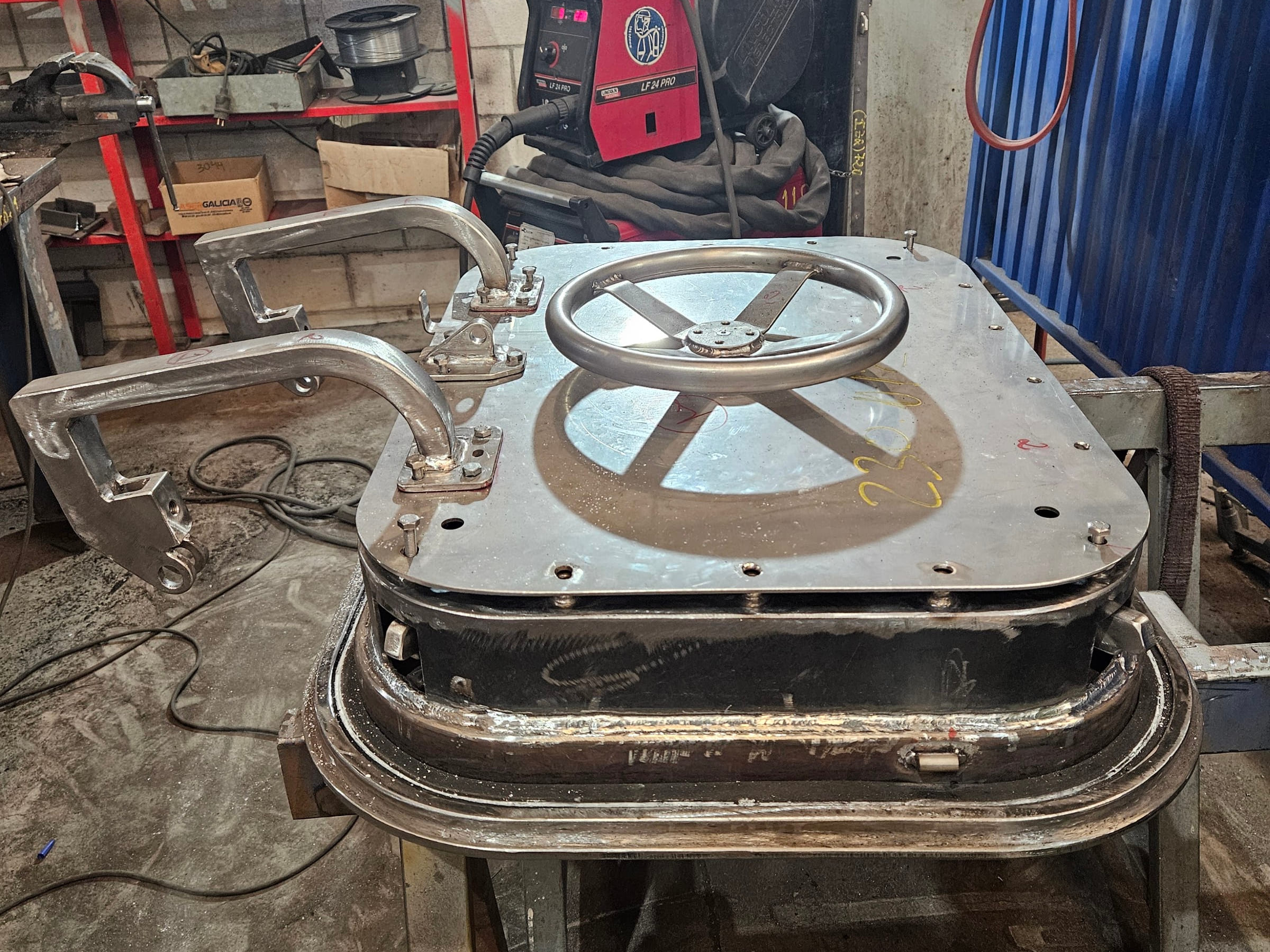
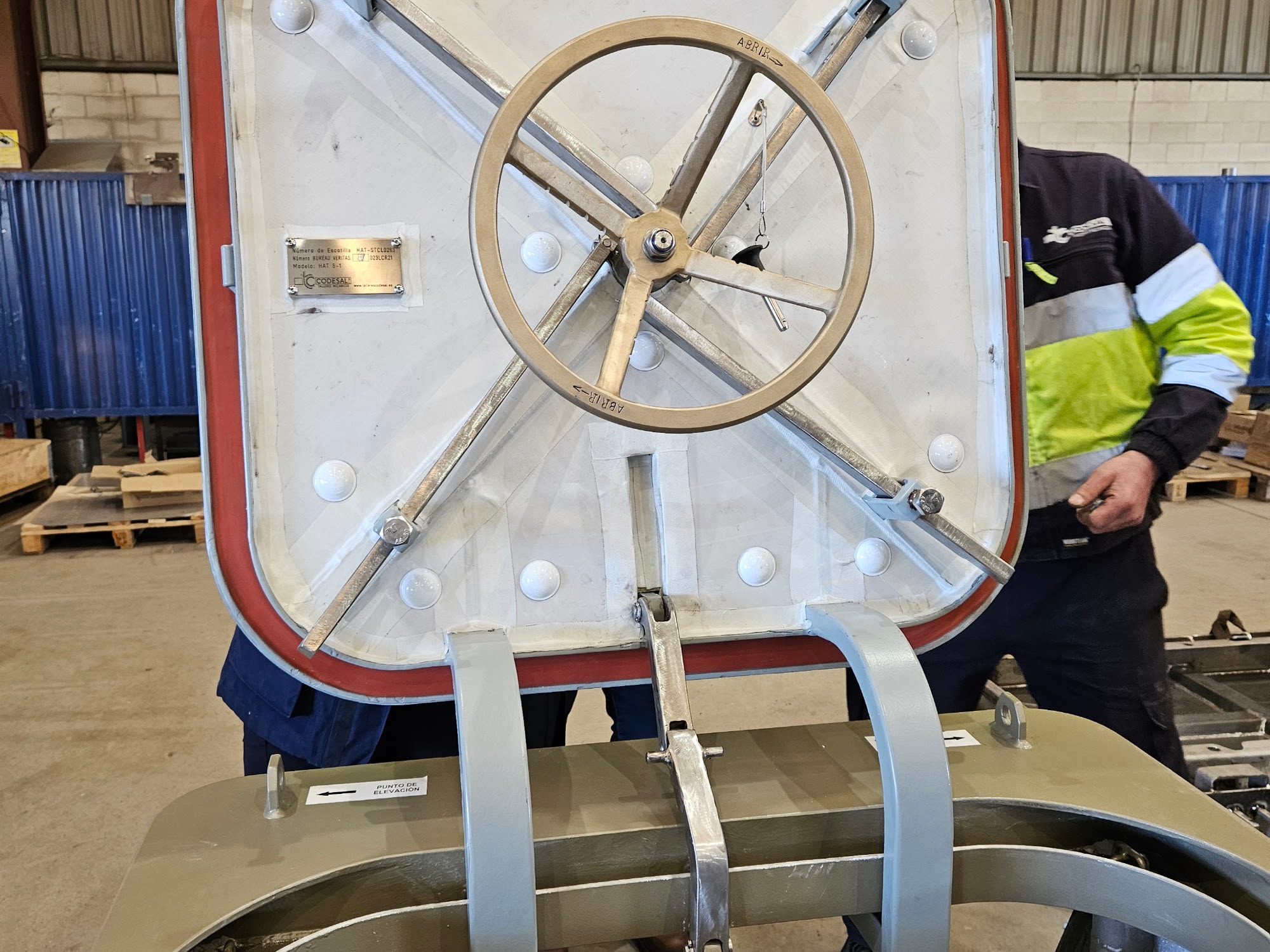
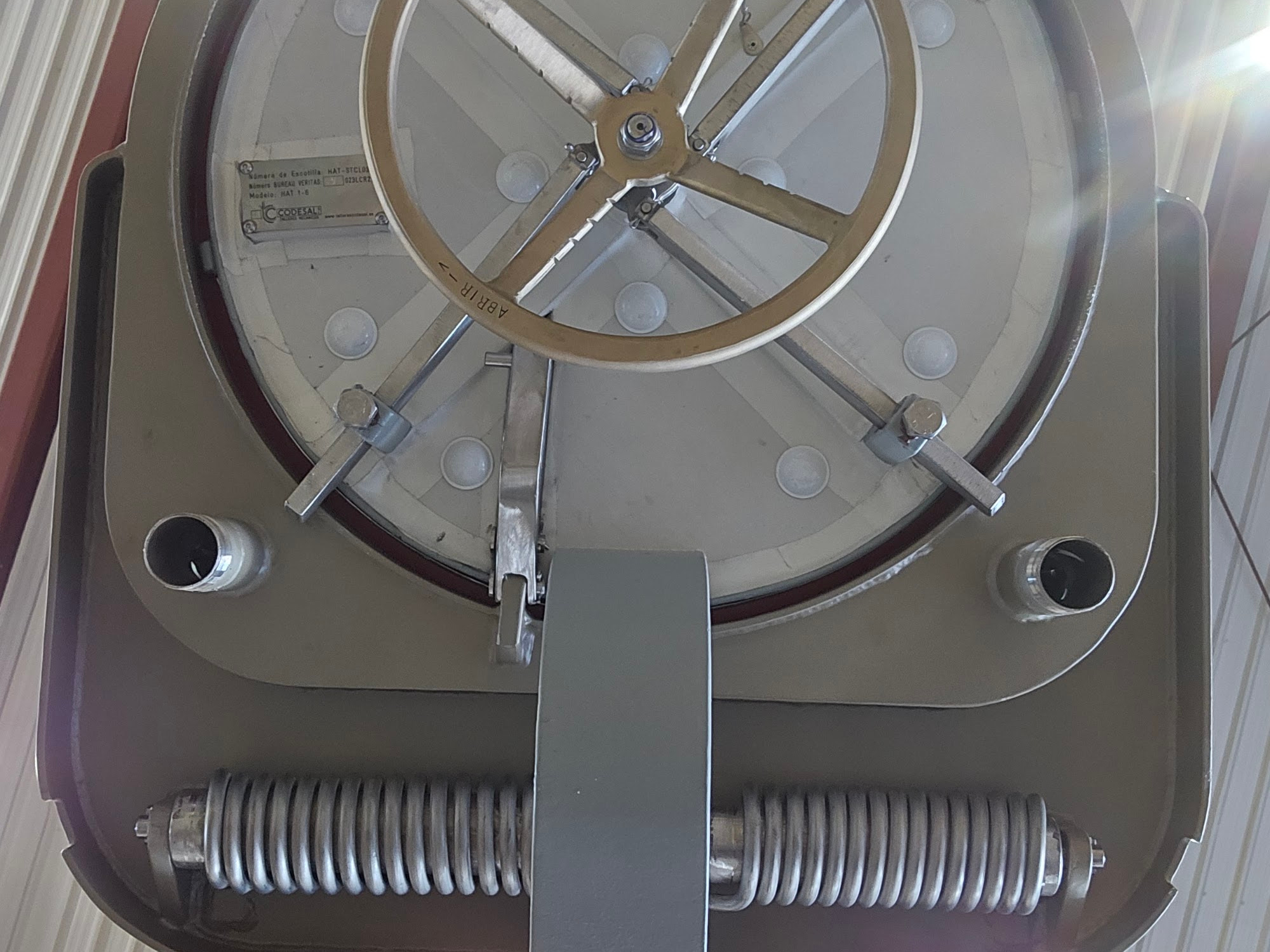
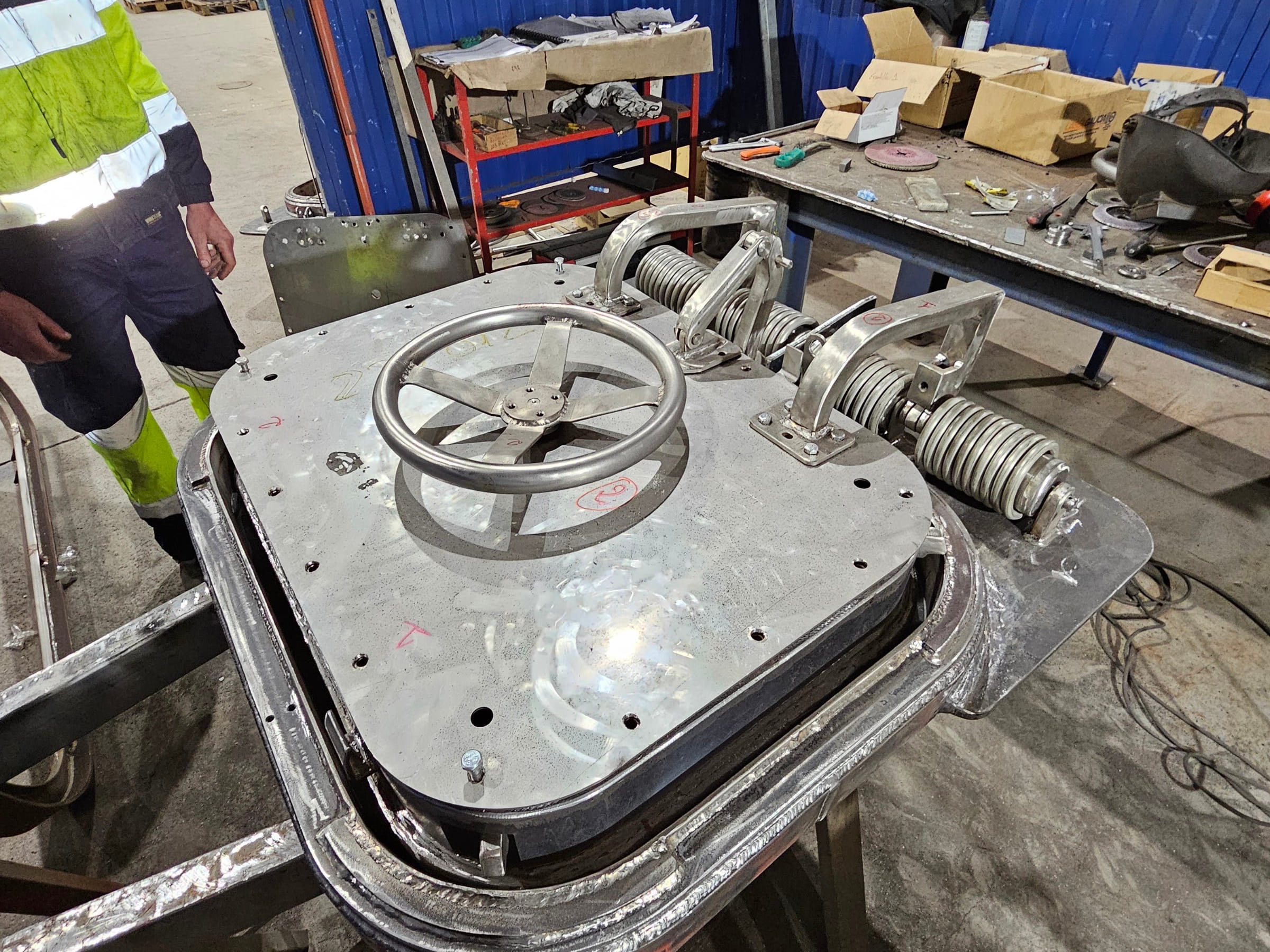
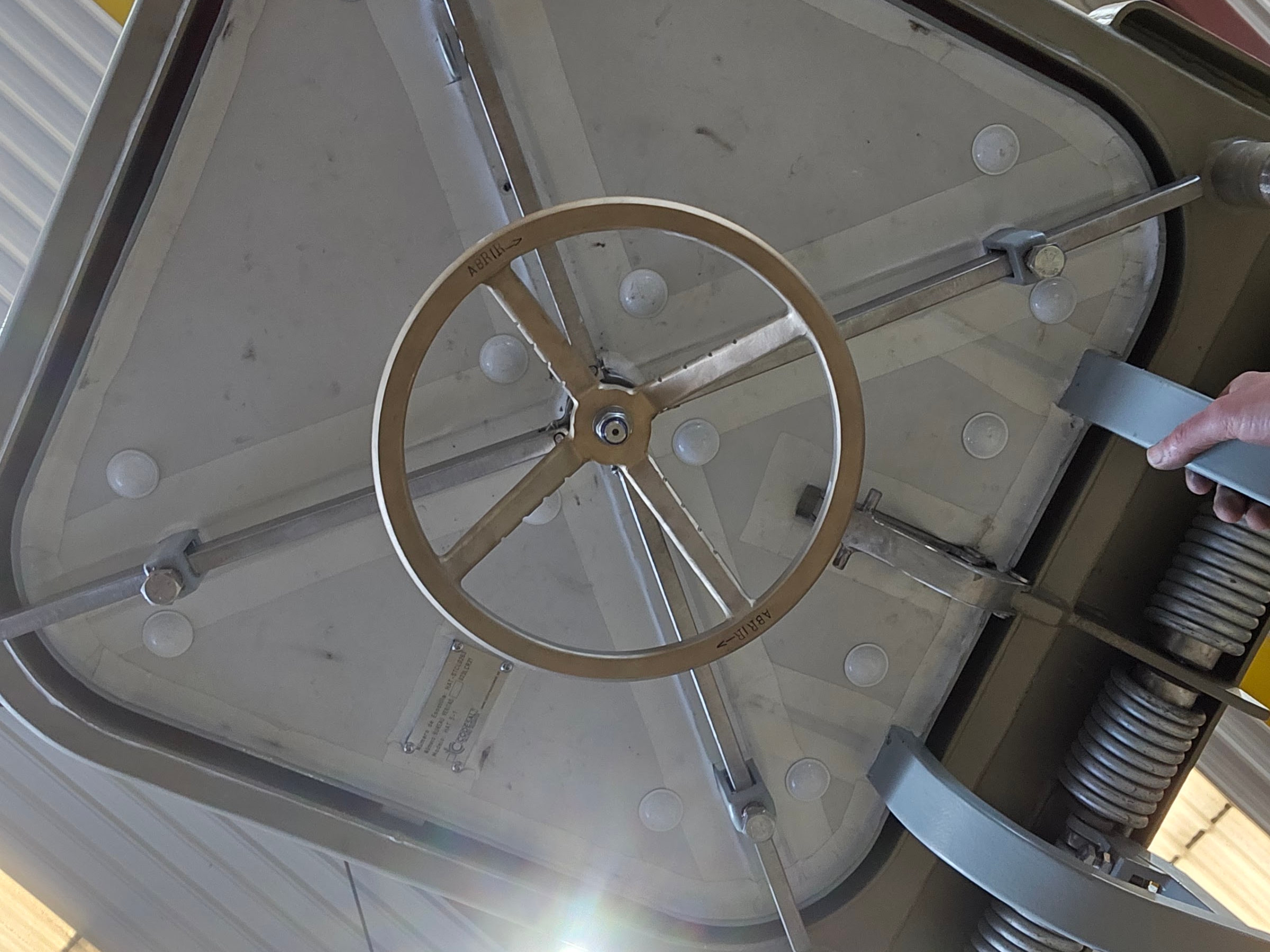
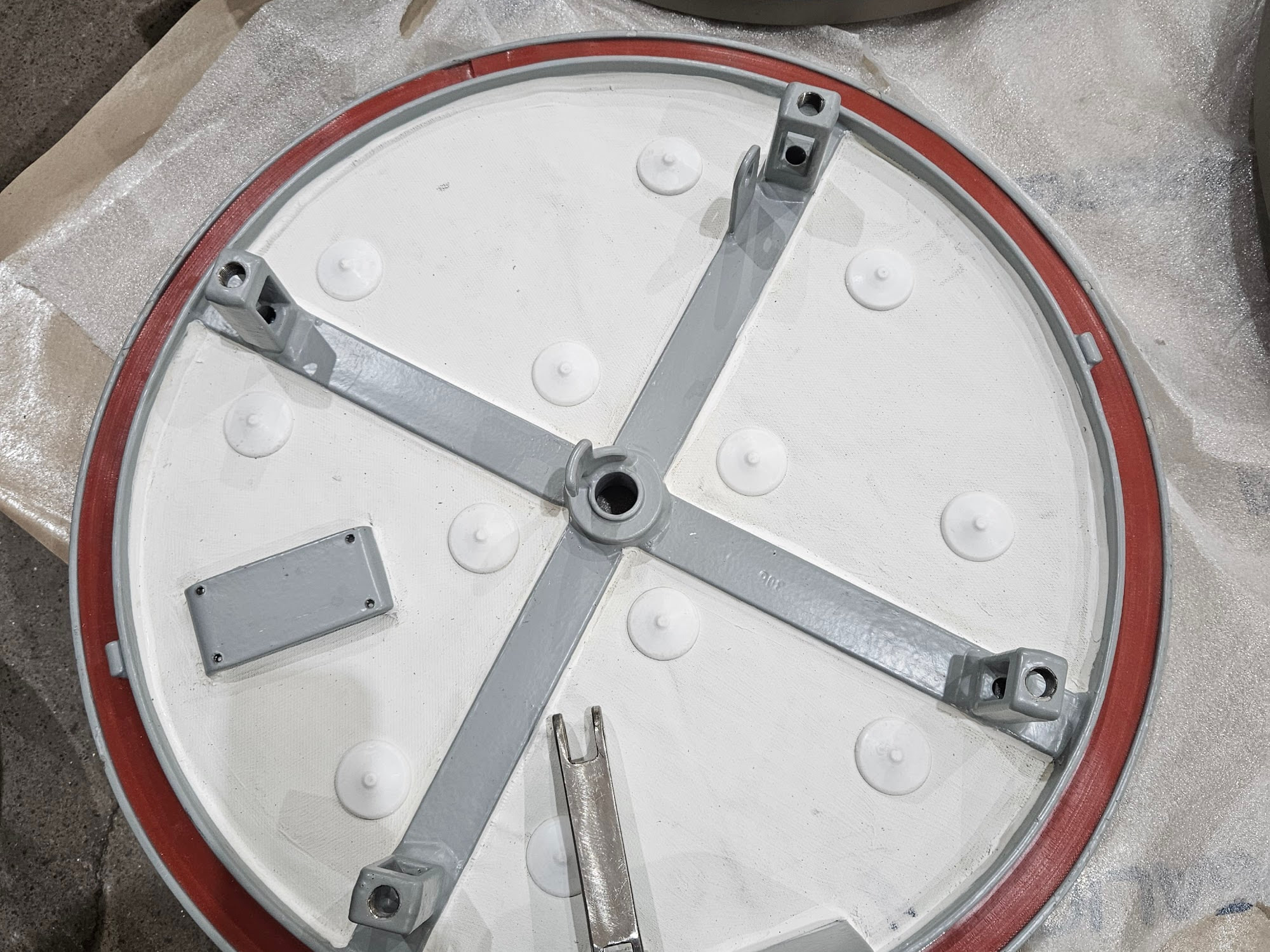
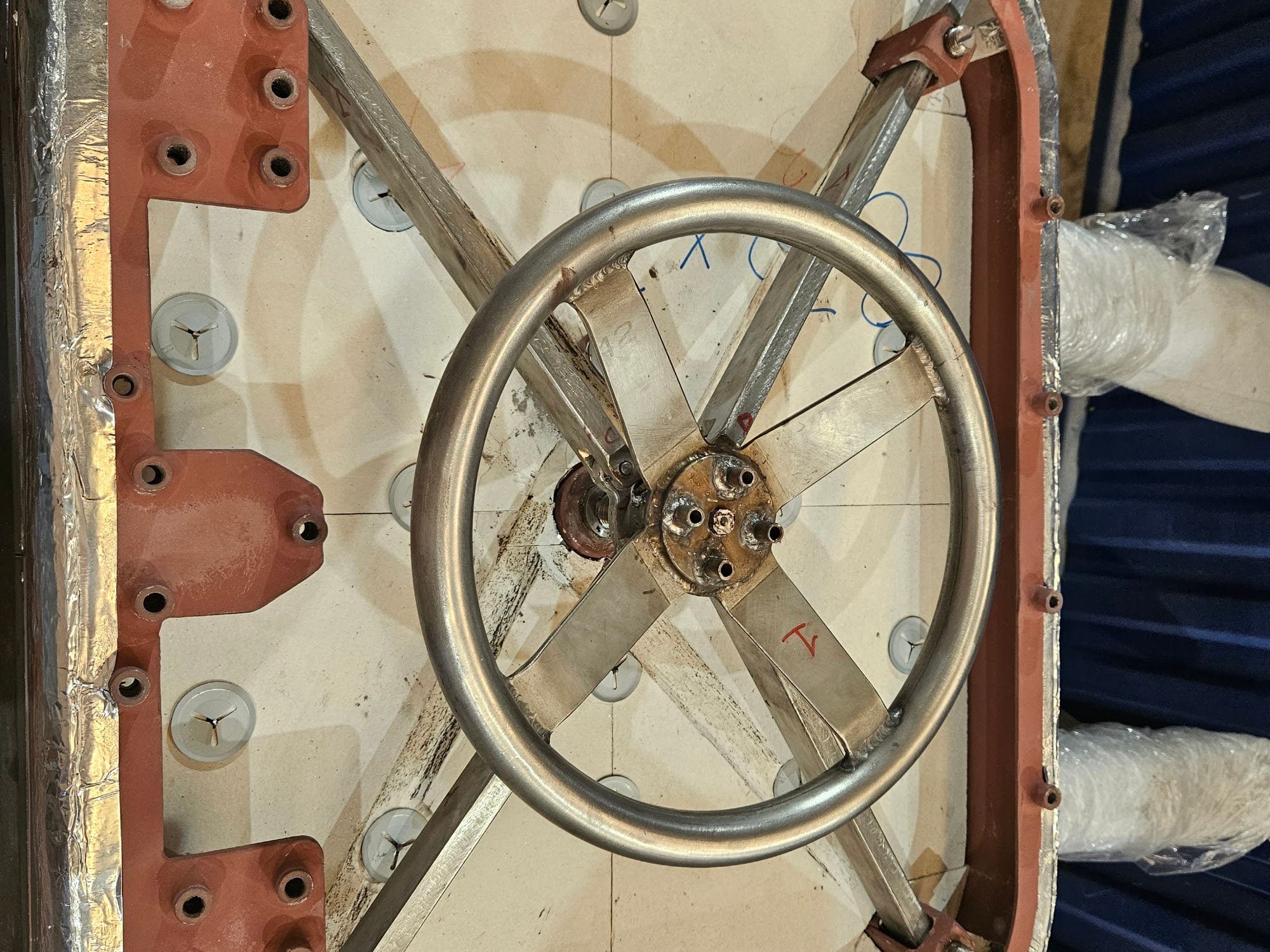
- Structural doors and hatches, mooring doors, torpedo doors and escape doors
- Units delivered
- 275 per vessel
- Services provided
- Boilermaking, welding, machining, coatings, engineering and testing
- Certifications and standards
- EN 1090, EN 15085, ISO 3834, Lloyd's, Bureau Veritas and CE marking, among others
- Project type
- Design, manufacture and preparation of technical documentation
The Customer's Need
Lightweight, Strong Closures
The customer needed lightweight, low-maintenance structural closures for integration into the frigates, which also had to meet demanding certification and safety requirements.
The doors and hatches had to comply with the specifications of Bureau Veritas and with regulations such as SOLAS and IMO, as well as meet specific military requirements, including resistance to nuclear blast and shock, without adversely affecting the vessel’s overall weight, a key factor in this type of ship.
The Challenge
Meeting the Technical and Weight Requirements
The main challenge we faced was designing structural closures light enough without compromising compliance with the project’s demanding technical, regulatory and military requirements.
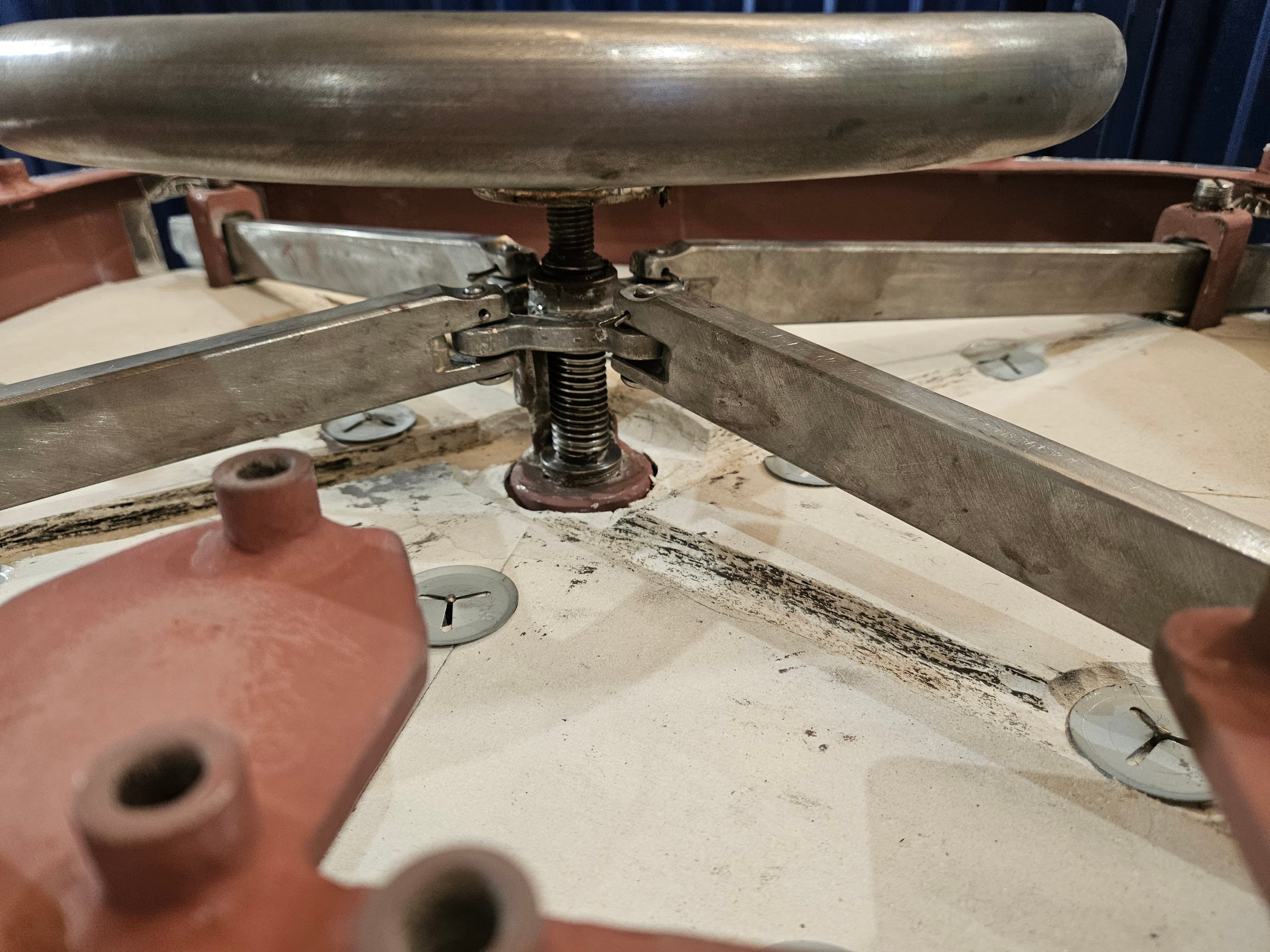
As the equipment was intended for a frigate, weight was a critical factor, so our team had to develop solutions with thinner sections than normally used and demonstrate, through testing and certification, that they maintained the required performance. In addition, they had to meet requirements for structural performance, fire resistance, nuclear blast, electromagnetic compatibility (EMC) and shock according to MIL-STD-901E.
The Solution
Coordination with the Customer and the End User
The challenge was resolved by designing lighter structural closures with reduced thicknesses, and by demonstrating through testing and certification that they met all the requirements.
Development was carried out in coordination with the customer and the end user, until structural and fire-resistance certification was obtained through a classification society, in addition to compliance with the military requirements already mentioned.
The solution also incorporated self-lubricating bushings to reduce maintenance, hydraulic power units where needed and complete technical and logistics documentation, with simplified 3D models for the digital twin and the information required for NATO codification of spare parts.
The Work Carried Out
Assessment, Design, Manufacturing and Certification
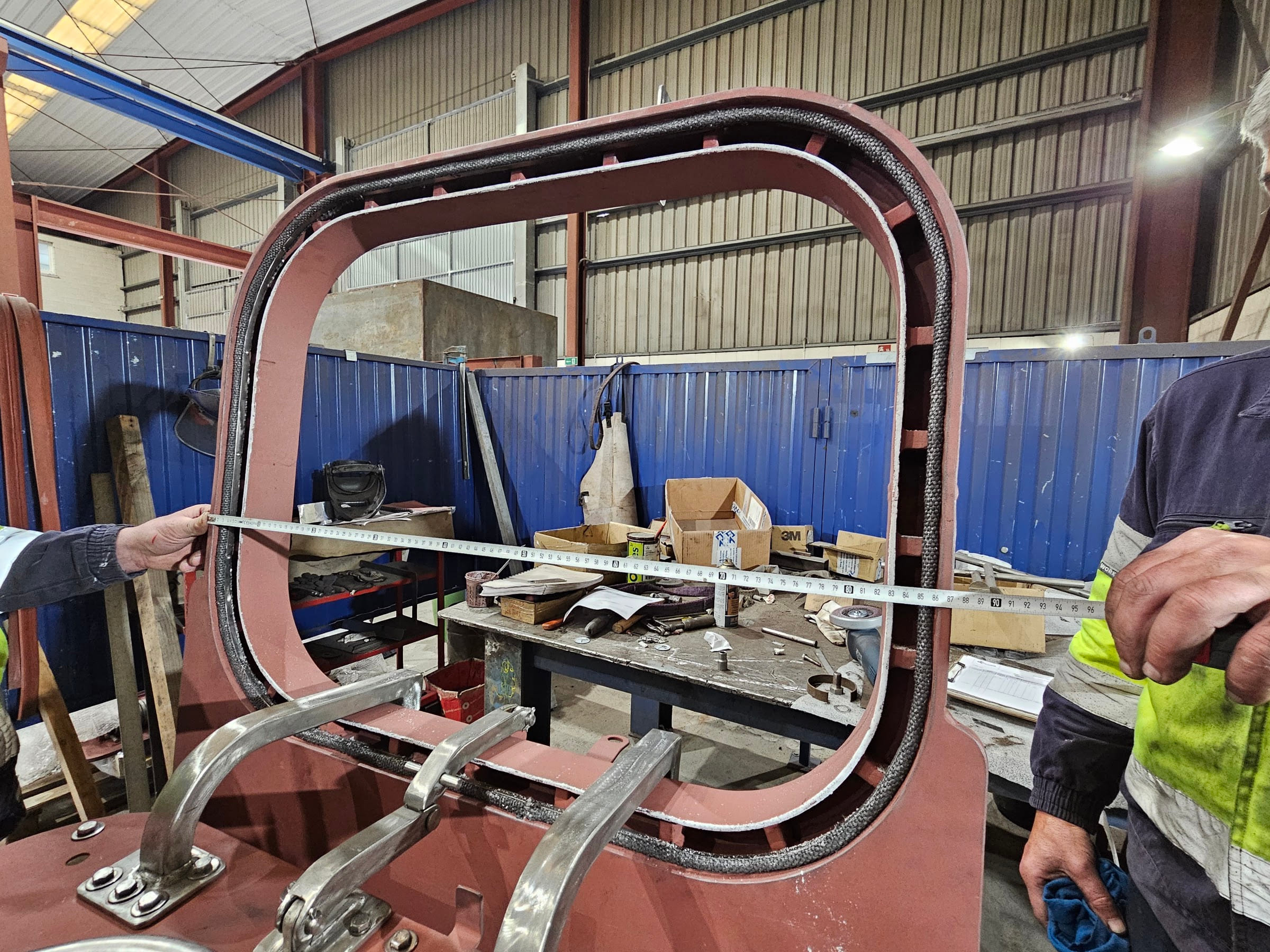
The project began with the assessment of the requirements set out in the Technical Purchase Specification (ETC). Drawing on our experience as manufacturers and maintainers of structural closures for military vessels, the required solutions were developed.
The work was organised into six stages: three design stages and three product-related stages. During the design phase, the basic models were produced and sent to the customer for integration into the vessel and approval, before moving on to the final design.
Once the design was validated, the drawings were submitted for approval by the classification society and pressure and fire tests were carried out in the presence of the customer and the end user.
Manufacturing then began, during which we ensured the traceability of every element and managed the purchase of materials in line with the established specifications. The process included boilermaking, integration of machined parts, blasting and painting through approved suppliers, and the application of the surface treatment selected by the customer.
The Result
A Certified, Lightweight Solution Ready for Integration into the Frigates
The result was the development of approximately 275 lightweight, certified watertight structural closures adapted to the specific requirements of the F-110 frigates, including doors, hatches, mooring doors, torpedo doors and escape doors for each vessel.
We managed to demonstrate that this equipment met the expected structural, fire and military requirements, and we also incorporated solutions to reduce maintenance and technical and logistics documentation valid for integration into the digital twin and for NATO spare-parts cataloguing.
Key Metrics
Key project data.
5
frigates of the F-110 series
275
structural closures per vessel
20
technical requirements and certification standards met
Gallery

CONTACT