
Case study · Aeronautical
Large-Scale Autoclave for the Aerospace Sector
We developed and industrialised a large-scale autoclave with tight machining tolerances for the aerospace sector.
Project Data
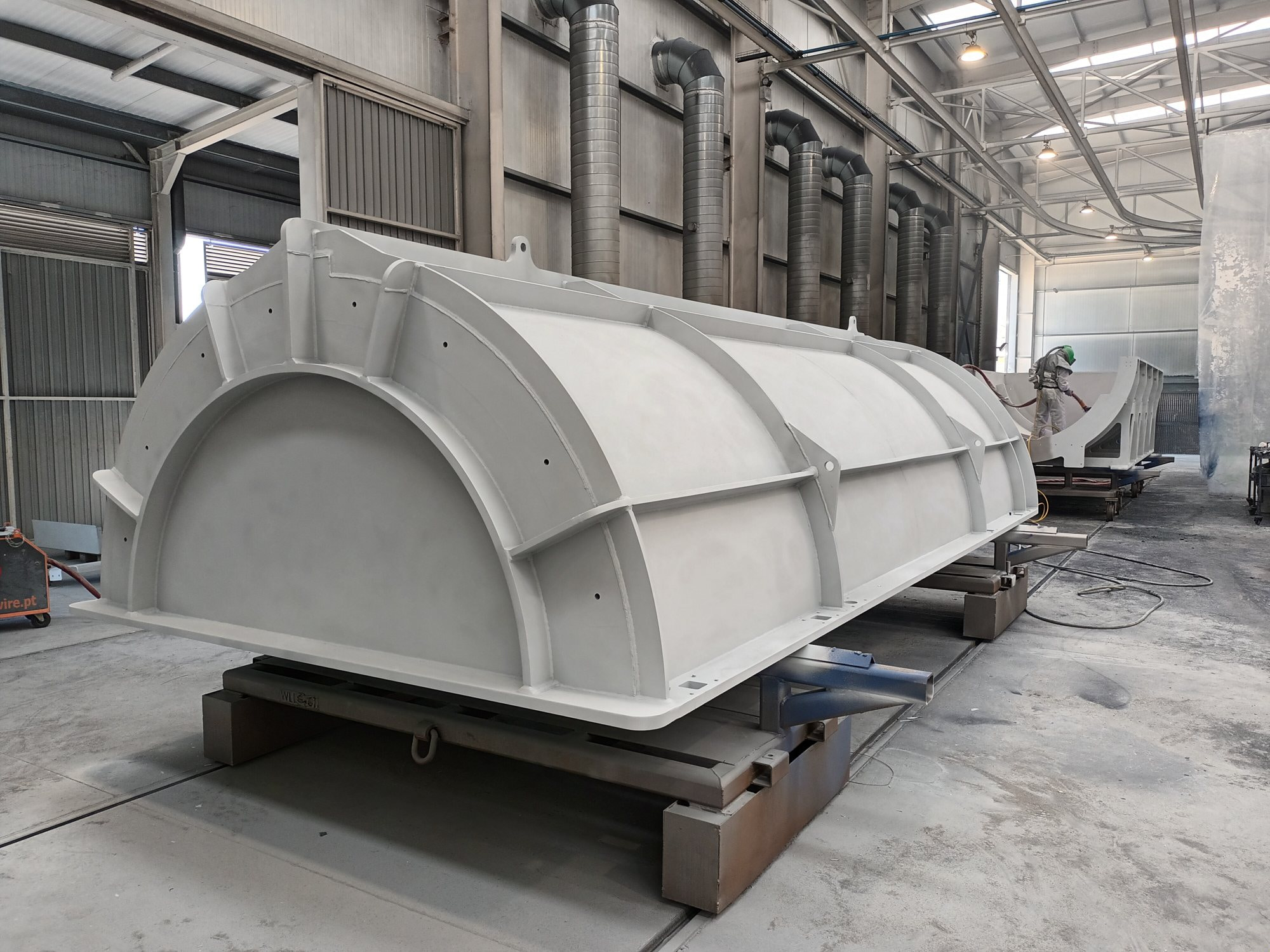
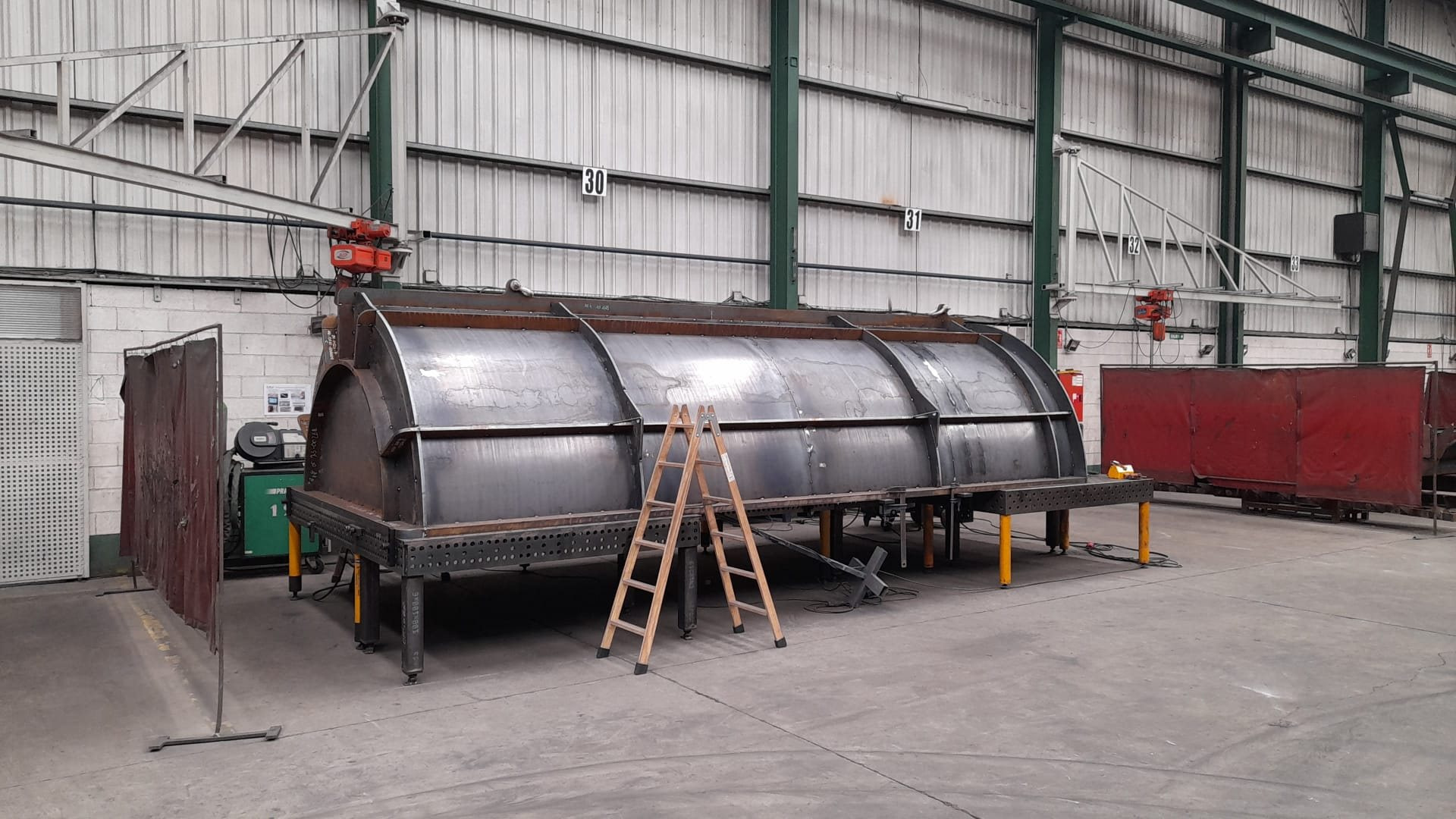
Large-scale autoclave with a hydraulic-cylinder drive system for opening and closing.
- Client
- Confidential
- End user
- ArianeGroup
- Sector
- Aerospace
- Year
- 2024
- Market where it was implemented
- France
- What was manufactured
- Autoclave
- Weight and tonnage
- 8 t
- Key dimensions
- 10 m long × 4 m in diameter
- Certifications and standards
- EN 1090, ISO 3834
- Services provided
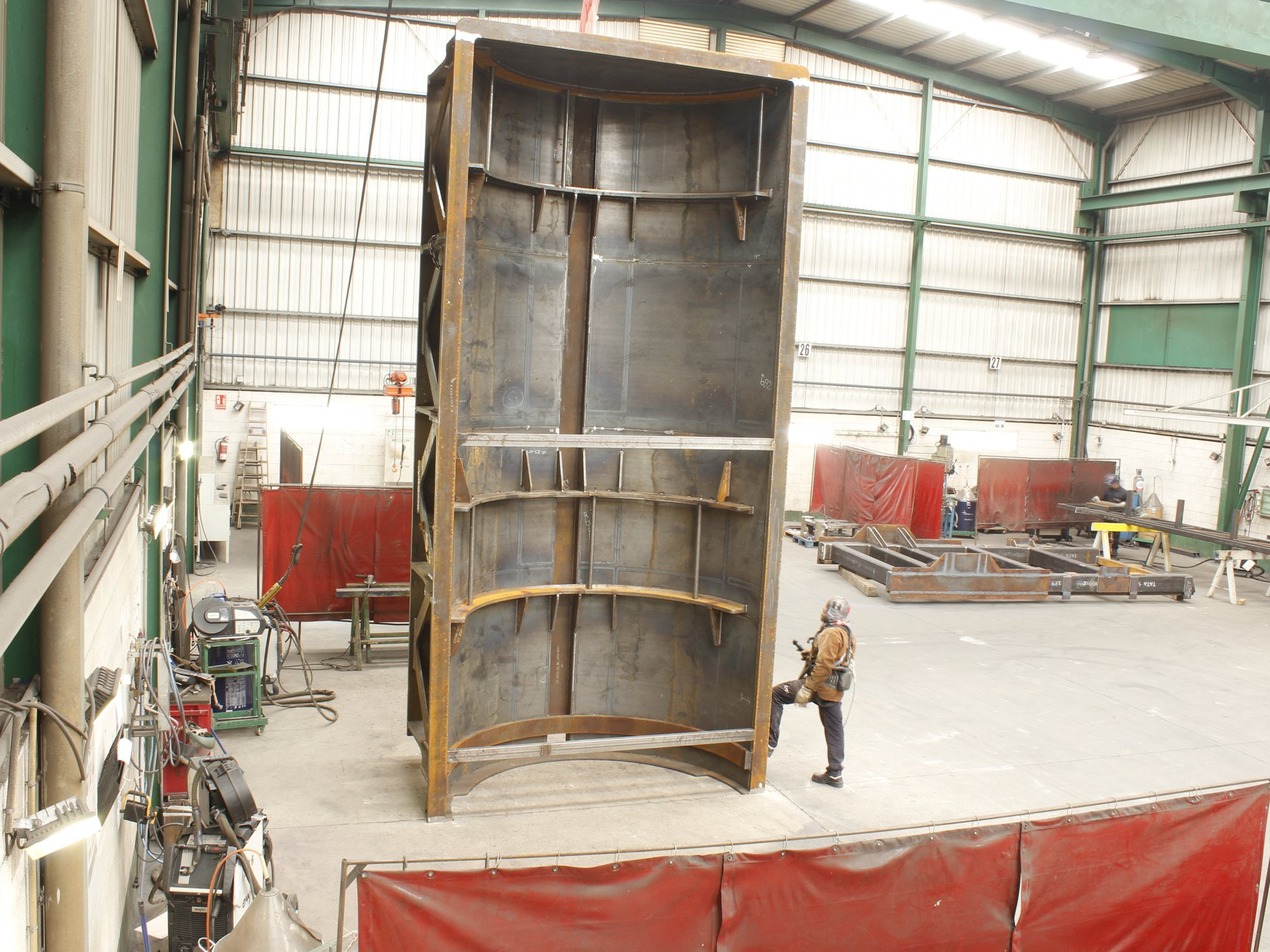
- Industrialisation, redesigns, welded fabrication, machining, surface coating and sub-assembly
- Project type
- One-off, custom-built project
The Customer's Need
An Expert, Capable Supplier
The customer needed to find a supplier with broad capacity and experience in boilermaking and welding, able to take on a highly complex project for the aerospace sector.
As well as manufacturing the welded structure, it was necessary to integrate machining, surface coating and assembly processes within a single project, to minimise dependence on external suppliers and make it easier to coordinate all the manufacturing phases.
The Challenge
A Large-Scale Project
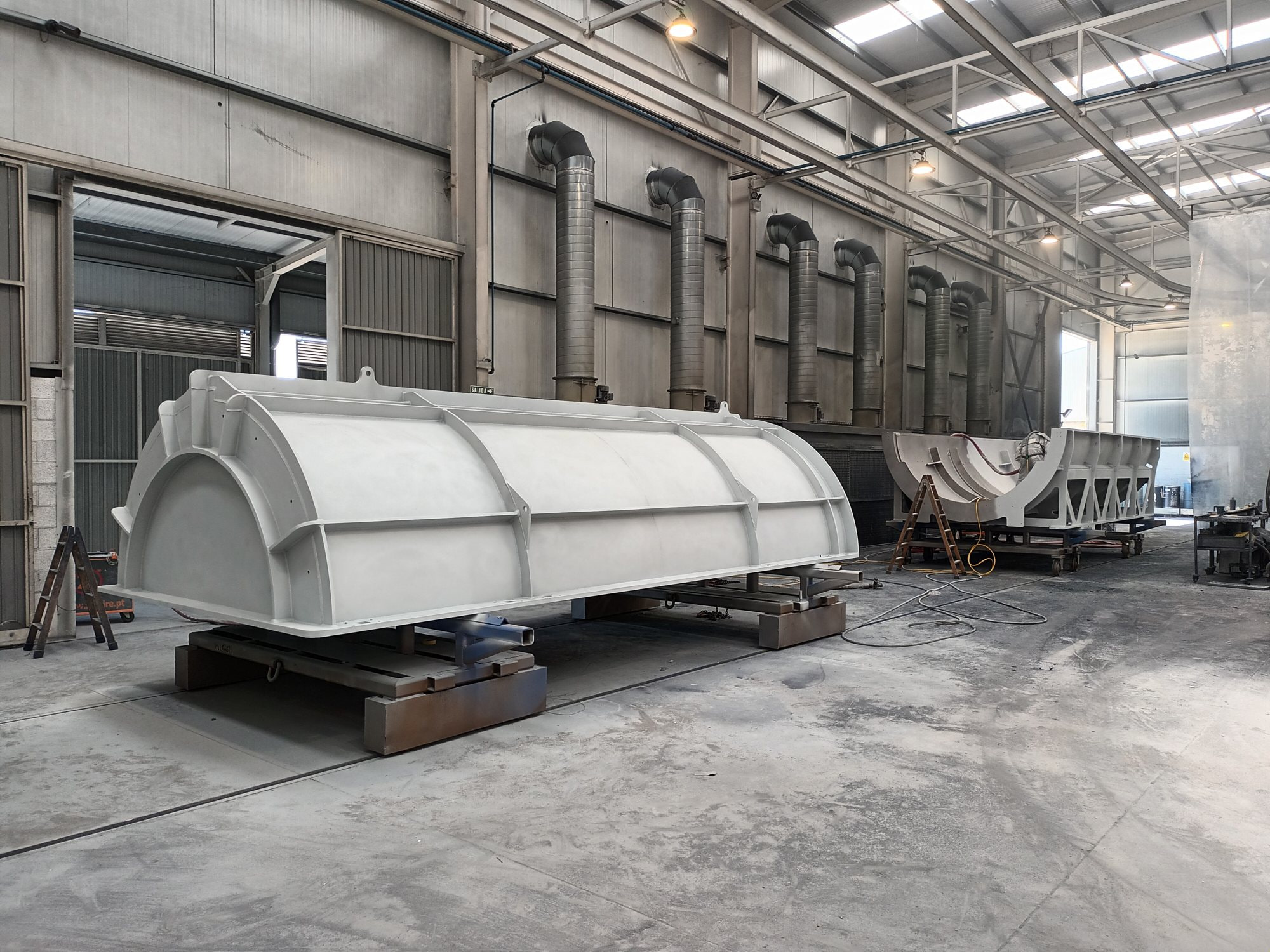
We faced the demanding requirements typical of the aerospace sector. It was necessary to machine large parts to tight tolerances, apply a metallised surface coating requiring Sa3 preparation and, therefore, have a shot blasting booth of sufficient size.
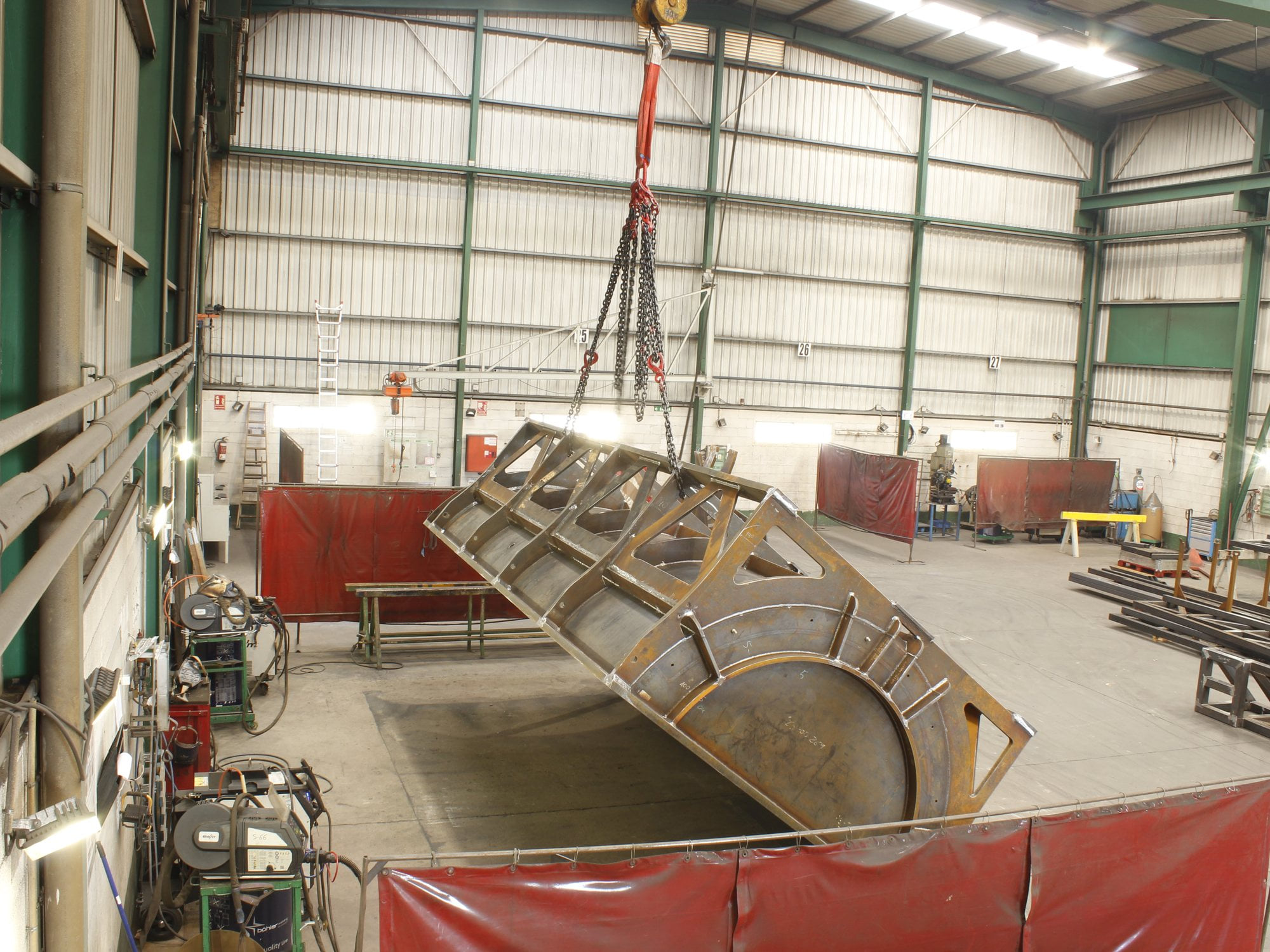
On top of this was the need to integrate the commercial components supplied by the customer, complete the final assembly and carry out the corresponding functional tests, all compounded by the logistical difficulties associated with the size and weight of the assembly.
The Solution
An Integrated Approach and Coordination with the Customer
We adopted an integrated approach to the project. We assigned a person dedicated to industrialisation and monitoring project progress, responsible for coordinating the implementation and resolution of the changes that arose during development.
The capacity of our facilities made it possible to carry out key processes in-house and reduce the need to outsource work, which is especially relevant for parts of this size, where logistics is an added challenge.
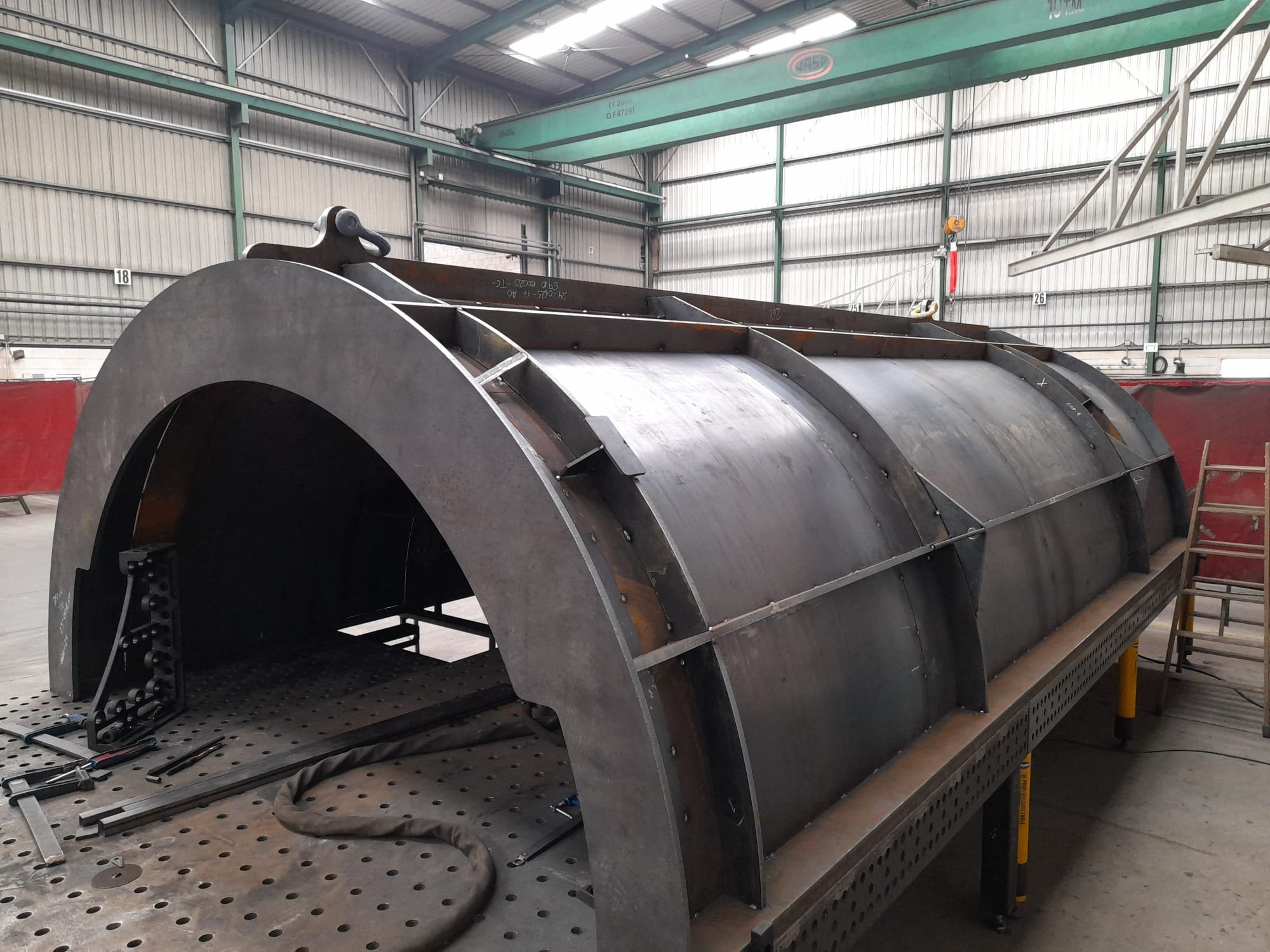
In addition, the EPER Group team’s knowledge of hydraulics made it possible to integrate the auxiliary equipment and the components supplied by the customer into the welded assembly, moving on to final assembly and functional validation.
The Work Carried Out
A Year of Joint, Coordinated Work
The project began in February 2023. Over the following months, we worked jointly with the customer on various design iterations and modifications to ensure industrial viability, a phase that was closed in November 2023.
Between December 2023 and January 2024, the final industrialisation of the assembly began and, after completing the various phases of manufacturing, integration and validation at our facilities, the autoclave was delivered in July 2024, once approved by the customer.
The Result
An Autoclave of Exceptional Size and Quality
The project concluded with the manufacture, integration and delivery of one large-scale autoclave unit, weighing approximately 8 tonnes, 10 metres long and 4 metres in diameter.
After a development and industrialisation process of more than a year, we developed the design into a manufacturable solution, integrated the various processes required (welding, machining, surface coating, assembly and auxiliary systems) and completed the final validation with the customer within a year.
Key Metrics
Key project data.
8 t
weight of the assembly
10 m
autoclave length
4 m
autoclave diameter
Gallery
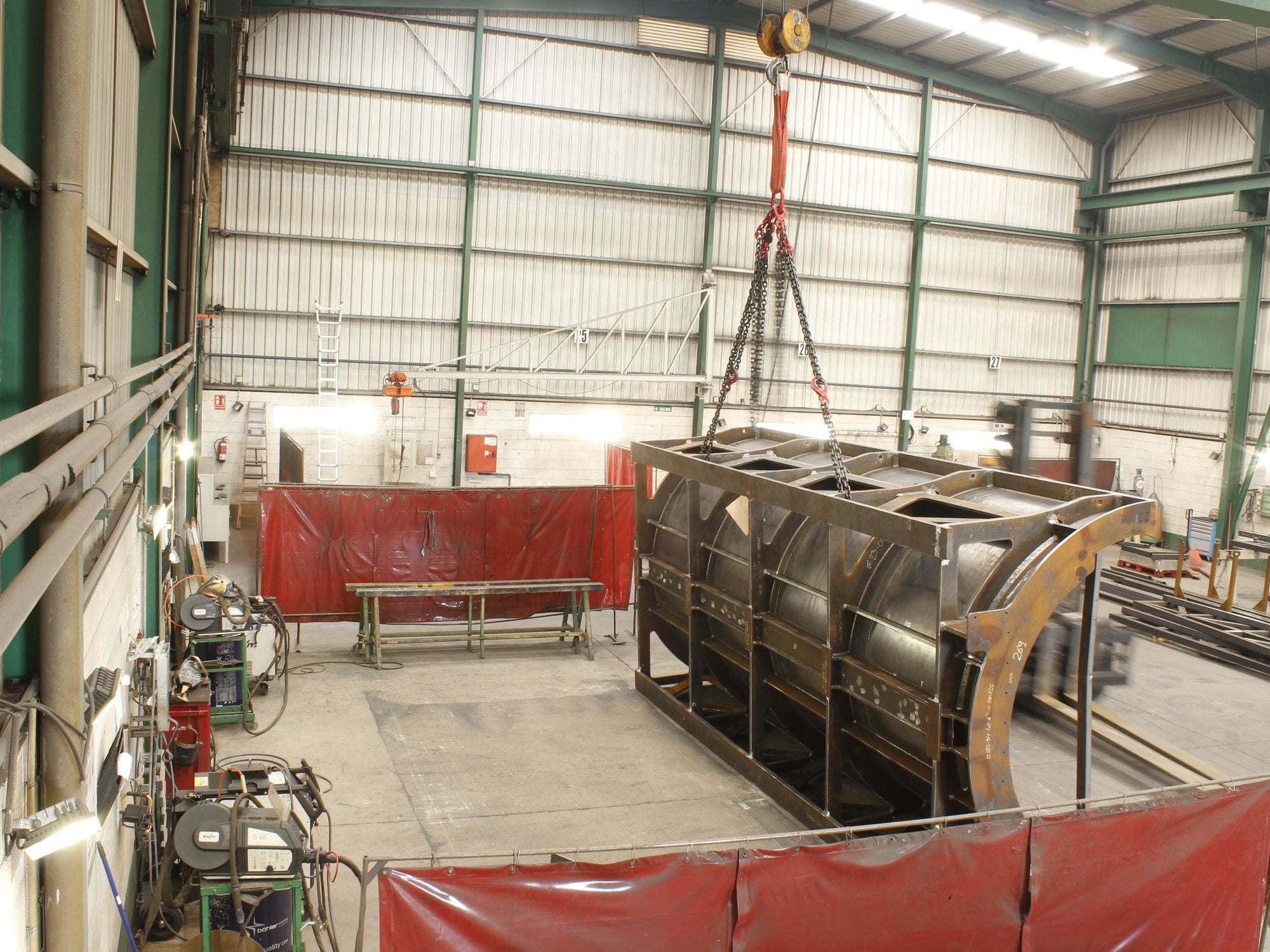
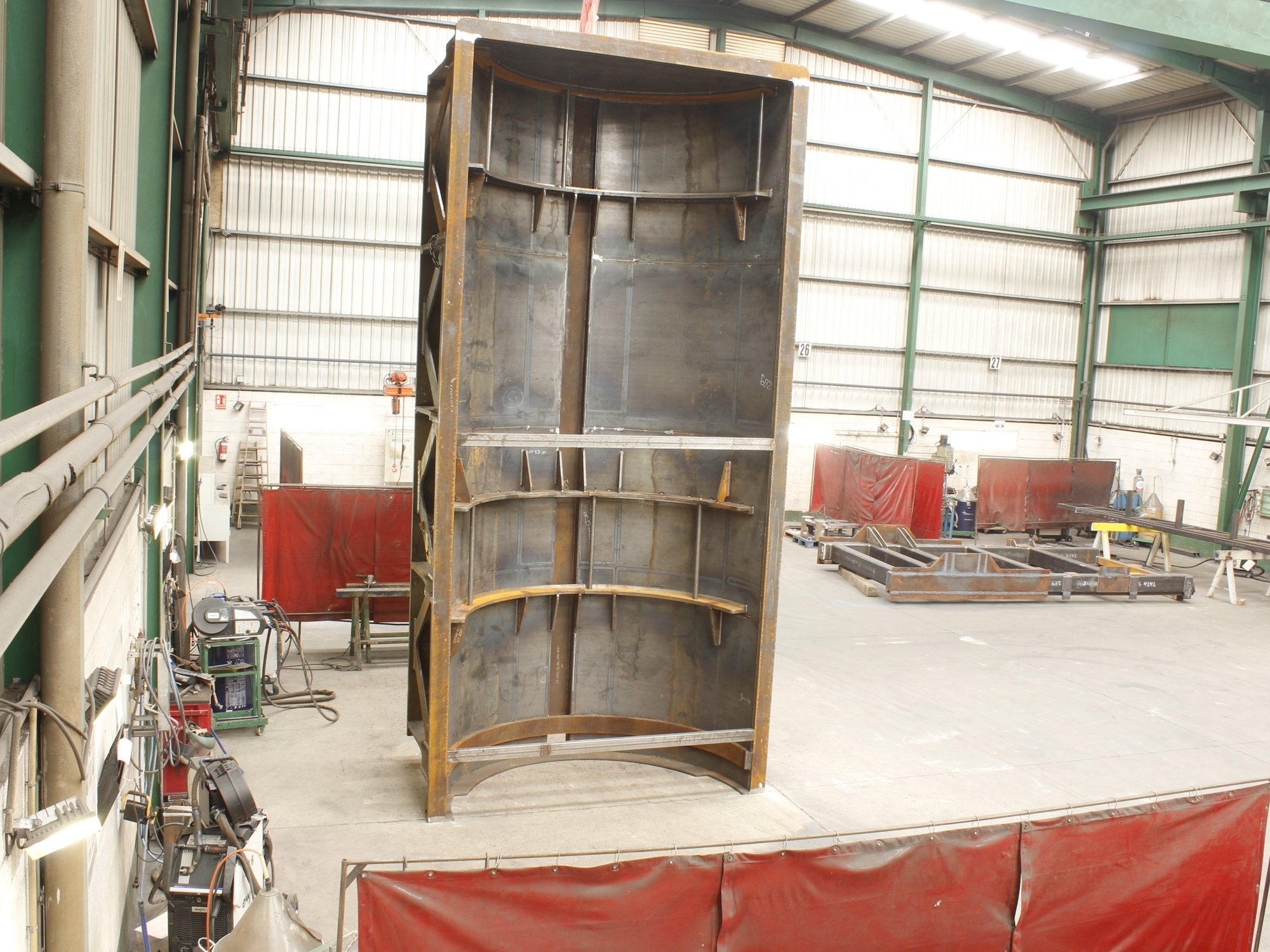
Here is the manufacturing process behind this autoclave for the aerospace sector.

CONTACT